
Garage Sale Planning Guide
A little planning goes a long way toward turning clutter into real cash. Before you start setting things up, here are the key strategies that will make your garage sale more successful and easier to manage.
Jump to a section:
• Why Spring Is Prime Time for Wisconsin Garage Sales
• What Actually Sells (and What Doesn’t)
• Pricing Secrets That Make People Buy
• Simple Setup Tricks That Boost Sales
• How to Get More People to Show Up
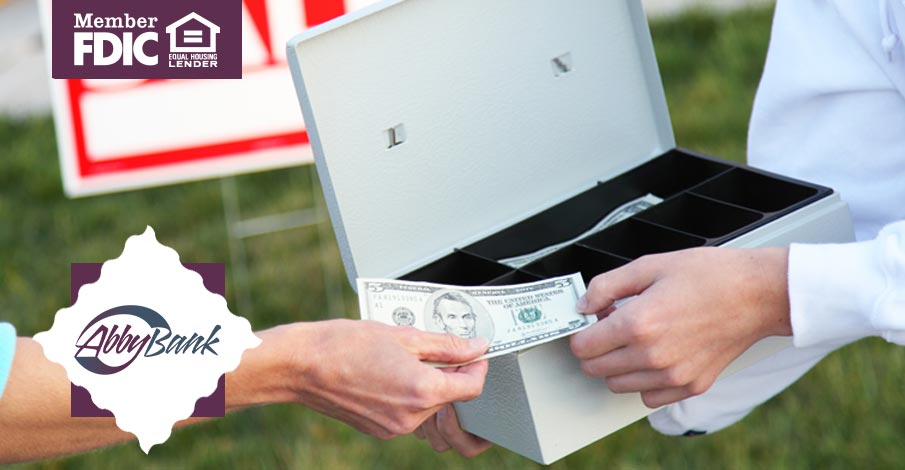
• Don’t Let the Cash Disappear on the Way Back Inside
• When the Sale’s Over
• Garage Sale FAQ
Why Spring is Prime Time for Wisconsin Garage Sales
Spring is when people are naturally motivated to declutter and refresh their homes, meaning sellers are cleaning out and buyers are hunting for deals. Garage sales also perform better in mild weather because shoppers are more willing to browse instead of rushing back to their car.
If you live in a smaller community or participate in a neighborhood multi-family sale weekend, even better—clustered sales bring more traffic and keep shoppers in the area longer.
What Actually Sells (And What Doesn’t)
If you want your sale to feel worth the effort, you don’t need more stuff, rather you need the right stuff on display. Experts who run estate/garage sales consistently point to certain categories that move fast.
High-Demand Items to Sell at a Garage Sale
These tend to get picked up quickly because buyers know the retail cost and love the discount:
- Kitchenware (cookware, small appliances, bakeware)
- Tools and yard equipment (hand tools, hardware, lawn items)
- Kids’ items (toys, books, baby gear) in good condition
- Small furniture (nightstands, shelves, chairs—anything easy to haul)
- Name-brand items (recognizable brands help buyers decide faster)
Pro move: Put your best items closest to the street. It’s the easiest way to get someone to pull over. Sellers who treat the front of the driveway like a “store window” tend to draw bigger crowds.
What You’re Better Off Donating (or Tossing)
Not everything deserves a price tag. In fact, too much junk makes your good stuff harder to see.
- Broken or unsafe items (especially damaged electronics)
- Stained or heavily worn clothes
- Incomplete sets that frustrate buyers (missing pieces, no cords, etc.)
If you wouldn’t buy it used, someone else probably won’t either. Try to recycle it instead or look up some creative ways to use it for something else.
Pricing Secrets That Make People Buy (Without Underselling Yourself)
If you’ve ever looked at your own item and thought, “But I paid $80 for this…” you’re not wrong, just pricing for the wrong market.
Garage sale shoppers are, by nature, bargain shoppers. The goal is to find the sweet spot: low enough that people say “sure,” high enough that you don’t feel like you gave everything away.
The Quick Rules for Garage Sale Pricing
- A common guideline is pricing many items around 10% of the original retail price to keep things moving.
- Another helpful approach is pricing by condition:
- Like-new: about 50% of original retail
- Good: about 25–30%
- Fair/worn: around 10%
- Use simple pricing increments like whole dollars or quarters so checkout stays fast, and you’re not making change for $0.17.
Bundle Small Stuff to Increase Total Sales
Bundling makes it easier for buyers to grab more, and it clears clutter faster:
- “3 books for $2”
- “All baby clothes in this bin: $10”
- “Any 5 DVDs for $5”
This strategy is commonly recommended because it boosts the average purchase and moves lower-price items quickly.
Leave Room to Negotiate (Because Someone Will)
Haggling is part of garage sale culture. Pricing with a little wiggle room makes negotiation less annoying and more predictable.
Tip: If you have a handful of “higher value” items (power tools, furniture, small appliances), do a quick search online for the going used price before you slap on a sticker. Researching comparable prices is a standard recommendation for smarter pricing.
Simple Setup Tricks That Boost Sales
A good garage sale feels feels organized and easy to shop. A bad garage sale feels like digging through someone’s stress pile.
Here’s how to make it easy for buyers to say yes:
Make It Look Clean and Intentional
- Clean items first—buyers are more likely to pay for something that looks cared for.
- Group similar items together (kitchen here, kids here, tools here) so people don’t miss things.
- Put items on tables/shelves, not the ground, so shoppers can see what you have without crouching.
Pick the right time
Many garage sale guides recommend starting early in the morning (around 7 a.m.) and wrapping up by early afternoon, since traffic often drops later in the day.
How to Get More People to Show Up
You can have the best items in the world, but if no one knows you’re selling them, you’re just rearranging clutter outdoors. Here are some ways to get more people to show up to your garage sale.
Best Places to Advertise a Garage Sale Online (Free)
These channels consistently come up as the most effective for local traffic:
- Facebook Marketplace + local garage sale groups
- Nextdoor
- Craigslist
Even creating an event on Facebook and inviting people you know to come or share with their friends and family can do wonders! If you’re not wanting to go that far, just post about it quickly on social media to let people know you’re having one.
What to Include in Your Ad so It Gets Clicks
A good garage sale ad is specific. A vague ad gets ignored.
Include:
- Date + start time (and end time if you want fewer early knockers)
- Exact address for map apps and route planning
- A short list of “highlight items” (examples: “tools, kids stuff, small furniture, kitchen appliances”) to help shoppers decide it’s worth the drive
Neighborhood Secret Weapon: Multi-Family Sales
If your neighborhood does a community weekend, or if you team up with a neighbor, expect more traffic. Buyers love hitting several sales at once.
Don’t Let the Cash Disappear on the Way Back Inside
This is where a garage sale turns into an actual financial win. Because “extra cash” has a funny habit of vanishing into snacks, Target runs, and little expenses you don’t remember two weeks later.
Do One Simple Thing: Give the Money a Job
Before sale day, decide where your garage sale earnings are going. Common ideas:
- A starter emergency fund
- A summer fund (trips, camps, weekend plans)
- Home improvement projects (paint, landscaping, repairs)
Our best advice? Set up a separate savings account for specific goals or wishes, like summer vacations, certain things you want to do around the house, or for splurging on a luxury item. It keeps you from dipping into your life savings and makes it feel more intentional.
Make Saving the Money Easier Than Spending It
Two easy options:
- Separate it immediately (physically or digitally) so it doesn’t blend into everyday spending.
- Deposit it quickly so it’s not sitting in a kitchen drawer tempting you.
If you bank with AbbyBank, digital tools like Mobile Banking and mobile check deposit make it easier to manage money on the go and keep your plan on track.
If your garage sale turns into a decent chunk of cash, consider putting it into a savings bucket you won’t touch, whether that’s a separate savings account or a clear goal you can track.
When the Sale’s Over – Finish Out Strong
The best garage sales end with less stuff coming back into the house.
- Donate what didn’t sell (same day, if possible), so it doesn’t quietly return to the garage. Multi-family sale guides often recommend this to avoid “re-cluttering.”
- If you have leftover “maybe” items, consider listing a few higher-value pieces online afterward—some guides recommend selling certain items online if they’re worth more than typical garage sale pricing.
FAQ: Garage Sale Tips to Make More Money
What are the best items to sell at a garage sale?
Items that consistently sell well include kitchenware, tools/yard gear, kids’ items (toys/books/baby gear in good condition), small furniture, and recognizable brand-name goods.
How do I price garage sale items quickly?
A fast baseline is the 10% rule (price around 10% of original cost for many items). Another common approach is condition-based: like-new up to about 50%, good around 25–30%, fair around 10%.
Should I price everything at a garage sale?
Yes—pricing in advance and making prices visible helps sales move faster and reduces friction for buyers. Multiple garage sale pricing guides call out unpriced items as a common reason shoppers walk away.
What’s the best time to start a garage sale?
Many garage sale guides recommend starting early—around 7 a.m.—because serious shoppers show up first and sales often slow by early afternoon.
How do I advertise a garage sale for free?
Facebook Marketplace, local Facebook sale groups, Nextdoor, and Craigslist are commonly recommended for free promotion. Your ad should include date/time, address, and a short list of standout items.
What should I do with garage sale money so it doesn’t disappear?
Decide on a goal ahead of time (emergency fund, summer fund, home project fund), then separate the money immediately and deposit it quickly so it doesn’t blend into day-to-day spending. Banking tools that help you track and organize spending can support this habit.